



In Europe, while flowers and trees may bloom quietly, people love to welcome spring in their own unique and meaningful ways through tradition. Some of them are more delicate, some are dramatic and some involve literally setting things on fire! But, for sure, spring traditions in Europe are something worth to experience!
Depending on where you are, the arrival of spring is experienced differently in terms of when, where, how and with whom. Across the continent, each tradition reflects centuries-old beliefs about renewal, light and the long-awaited end of winter.
If you’ve ever moved to a new country in spring time, for sure you noticed some differences from what you were used to. Here is what to expect in each country:
Romania: The tiny red & white charm that welcomes spring
As being born and raised in Romania, I feel like I have the duty to spread my spring tradition so I’m letting you know this section is going to contain more information as it’s about something I’ve known since I was born and it’s a tradition I really care about (and I find it lovely).
In Romania, the arrival of spring is celebrated with Martisor, a tradition that takes place exactly on the first calendaristically day of spring, 1st of March.
What is mărțișor?
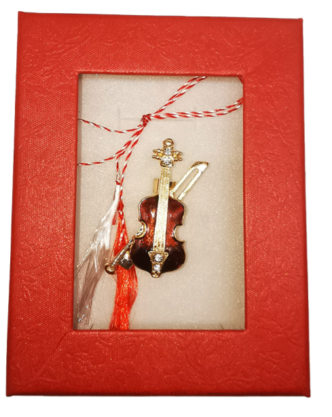
Basically, people give and receive these small decorative charms tied up with a red and white string symbolizing the coming of spring. For Romanians, the coming of spring and ending of winter is not just a change of seasons, but a spiritual and cultural renewal. We exchange these small “broches”, bracelets, necklaces even, first of all, if you ask me, as a symbol of appreciation. People like me who really care about this tradition would choose a martisor for their loved ones based on something they know they like. For example, if I know my friend is playing the violin and this is her passion, I would give her a martisor with a violin! It’s a very good moment to show your love to others, it’s like saying “I thought about you and you are important to me!”
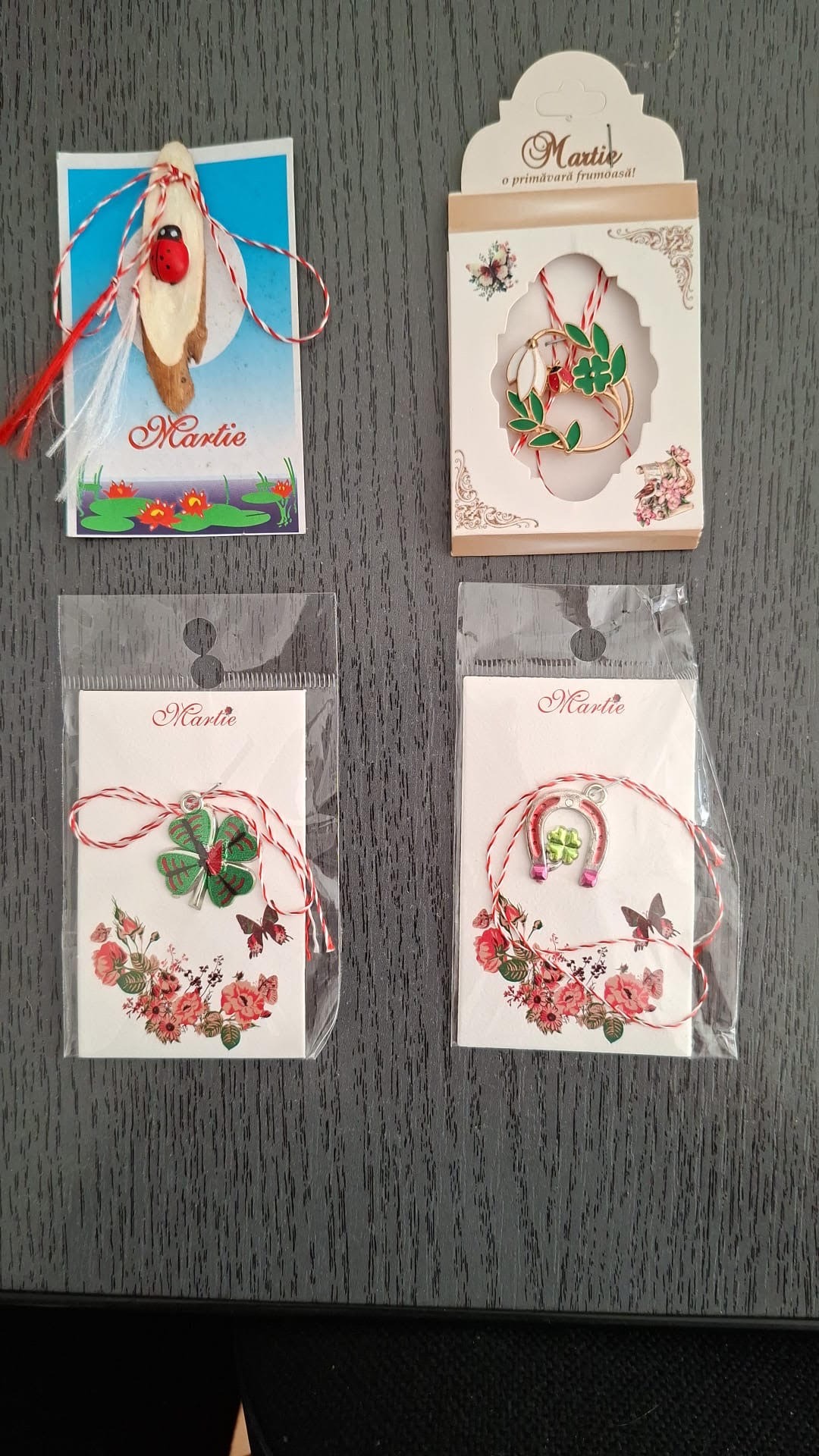
However, the “original” charms consist in general symbols of luck for Romanian folklore such as the horseshoe, chimney sweep, clover, ladybird or the first flowers of spring named ghiocei. I asked my mom to show me what she received this year and you can see some models below!
They might not look wow at first sight, but for us it really means a lot!
Beyond its aesthetic value, what martisor transmits is a deep meaning, kept alive through tradition among generations. Its essence is found within the red and white string, colors that weren’t chosen randomly. It’s not a martisor anymore if it doesn’t have the red-white string. They reflect a whole life philosophy, of balance and renaissance.
Let’s unpack the meaning of the red and white string, colors that are found in other (balkan) countries as well, such as Bulgaria, Greece, North Macedonia and Albania:
Red is considered the color of life, associated directly with blood, the essential element of existence. In the popular tradition, it symbolizes the vitality, the energy and the capacity of moving forward. In the same time, red is connected as well to love and passion, which transformed this traditional symbol in a gesture of affection and appreciation through time.
White, in contrast with red, but complementing it in the same time, symbolizes purity, clarity and new beginnings. It’s associated with the snow that covers the land at the end of winter that, when the spring comes, it melts in order to make space for a new nature cycle. Like this, white becomes a symbol of hope and renewal.
But why are they braided into one string?
The twisted string symbolizes the connection between two opposing yet complementary forces, suggesting a universal balance. Somewhat like balkan Ying & Yang. In this way, what a martisor represents is the harmony between life and purity, energy and calm, endings and new beginnings. It’s a very cute way of showing the idea that change doesn't happen suddenly, but through a gradual process in which opposites coexist and complete each other.
In Romania, the martisor is worn until the first spring flowers start to appear or the first trees start to bloom. But it’s not mandatory, some people would wear it even until Palm Sunday. Personally, I like to take it off, tie it up in a bloomed tree and make a wish. Others like to put it in flowerpots and others prefer to keep it in a drawer for the following year (when I was little I used to have a full drawer full of mărțișoare, collected by me and my mom)
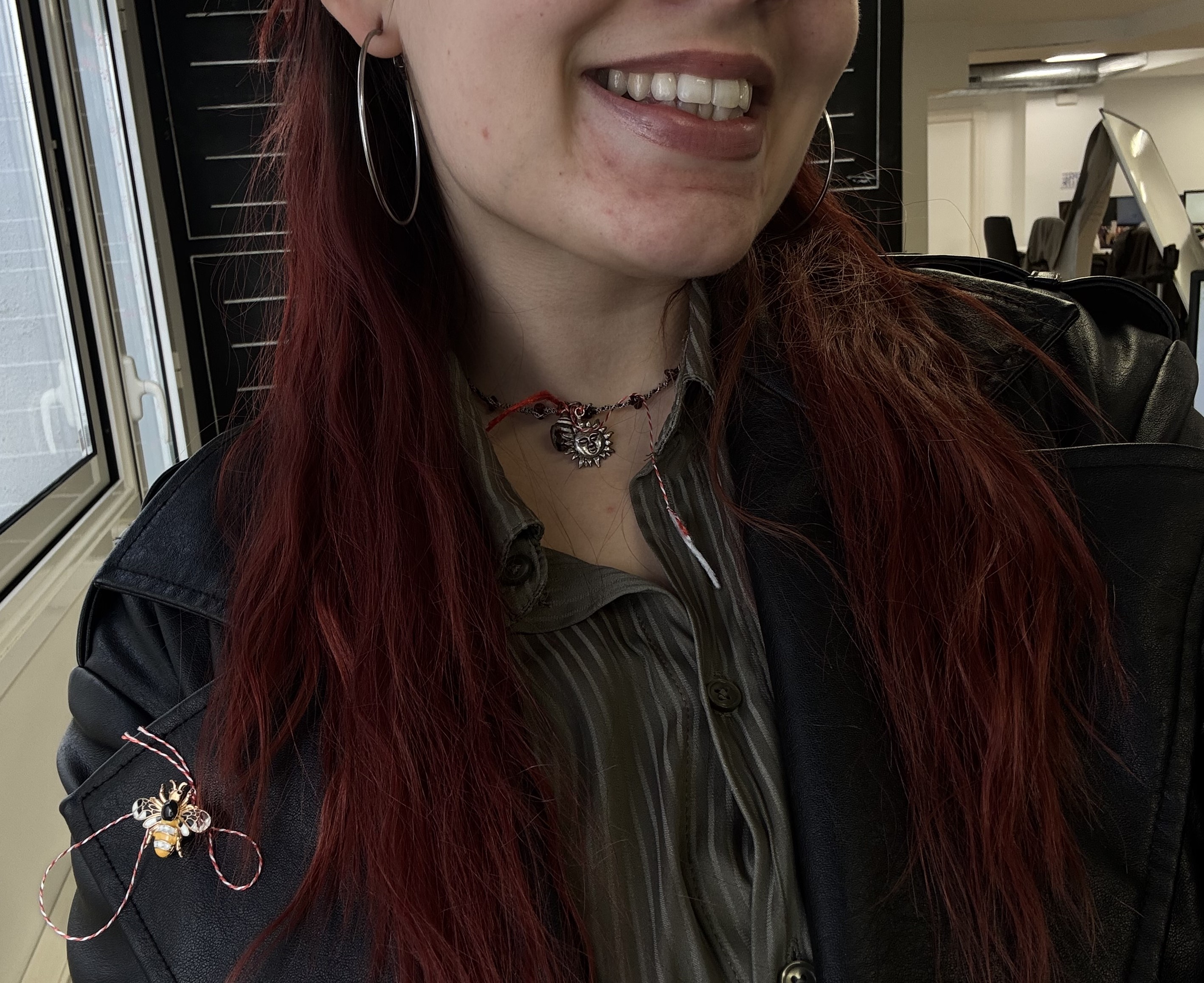
I love this tradition so much that I actually brought my own mărțișoare. That’s a picture of me wearing them in the office!
Poland: Saying goodbye to winter by drowning it
While some European countries welcome spring with charms and bracelets, in Poland the season begins with something much more dramatic: the symbolic destruction of winter itself.
The tradition is known as Drowning of Marzanna, or even Burning of Marzanna, and it centers around a doll made out of hay representing Marzanna, the Slavic goddess of winter, death and disease. In the Slavic mythology, Marzanna can be known also as Morana, Marena, Morena, even Mara or Mora.
Nowadays, children and villagers create a human-shaped effigy made of hay, sticks and old clothes. The doll is often decorated with ribbons or scarves before being paraded through the streets or countryside. Once a river or a lake is reached, the figure is either burned or thrown into the water. Or even both!
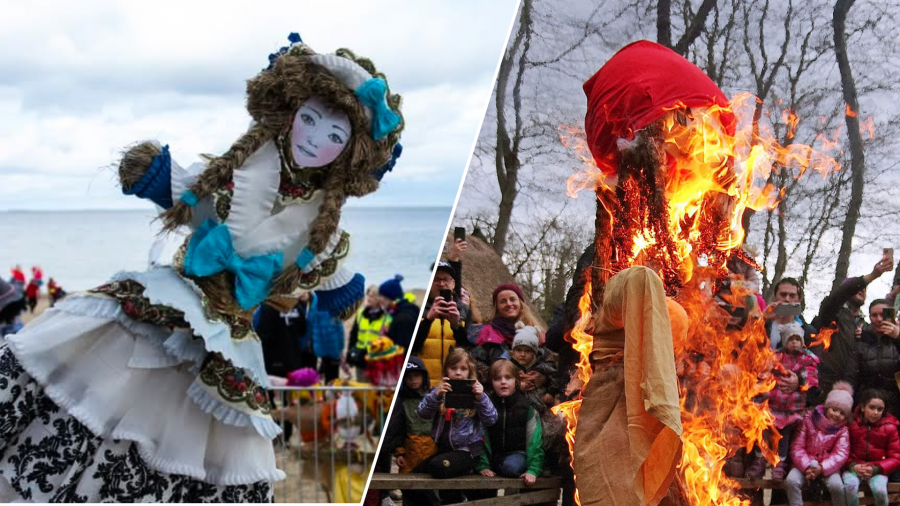
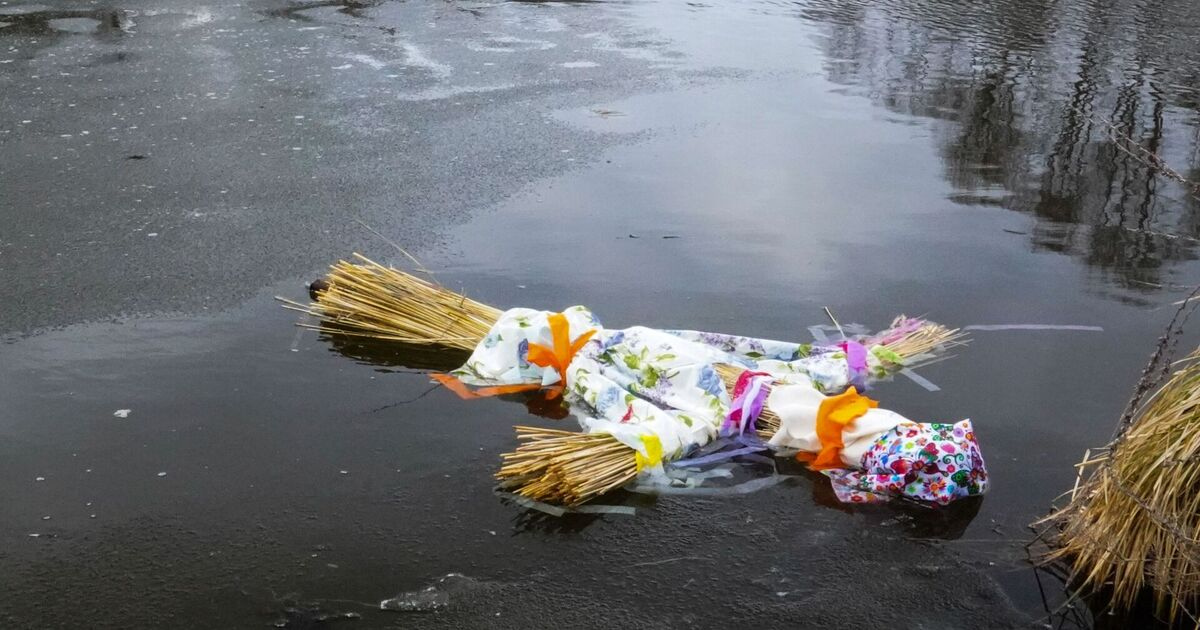
Because the ritual is usually made as a school activity as well, if the school isn’t close to a river or a lake, it would be only burnt as a way of saying goodbye to winter and welcome to spring. By destroying the effigy, communities symbolically send cold weather, darkness, and hardship away, making space for warmer days and the renewal of nature.
People also sing a special song that starts with the drowning/burning of Marzanna, following the final act of her disappearing away either in the water, or in the flames.
This tradition takes place on 21st of March, when the astronomical spring occurs (fun fact: the spring equinox actually takes place between 19 and 21 of March, it's not a fixed day every time!). Whereas some countries believe the end of winter is on 1st of March, Poland, Czech Republic and Slovakia celebrate the beginning of spring on 21st.
Actually, Slovakia has a similar tradition with Poland, having their own Moréna. Today, it’s more kept in the villages rather than in the big cities. If you're curious enough, I go see yourself how Slovakians drown winter and say "hello" to spring!
Moreover, how could we forget about spring cleaning? It’s when we clean EVERY corner of our house, wash the curtains, the carpets, clearing the clutter, refreshing the fabrics… after winter. It's not just a regular cleaning, it’s a reset! It’s a way of making your house feel lighter and, of course, to welcome a new season: spring!
Many nationalities from our office practice this spring tradition but Slovakia takes it way more seriously!
Spain, Valencia: What are Las Fallas?
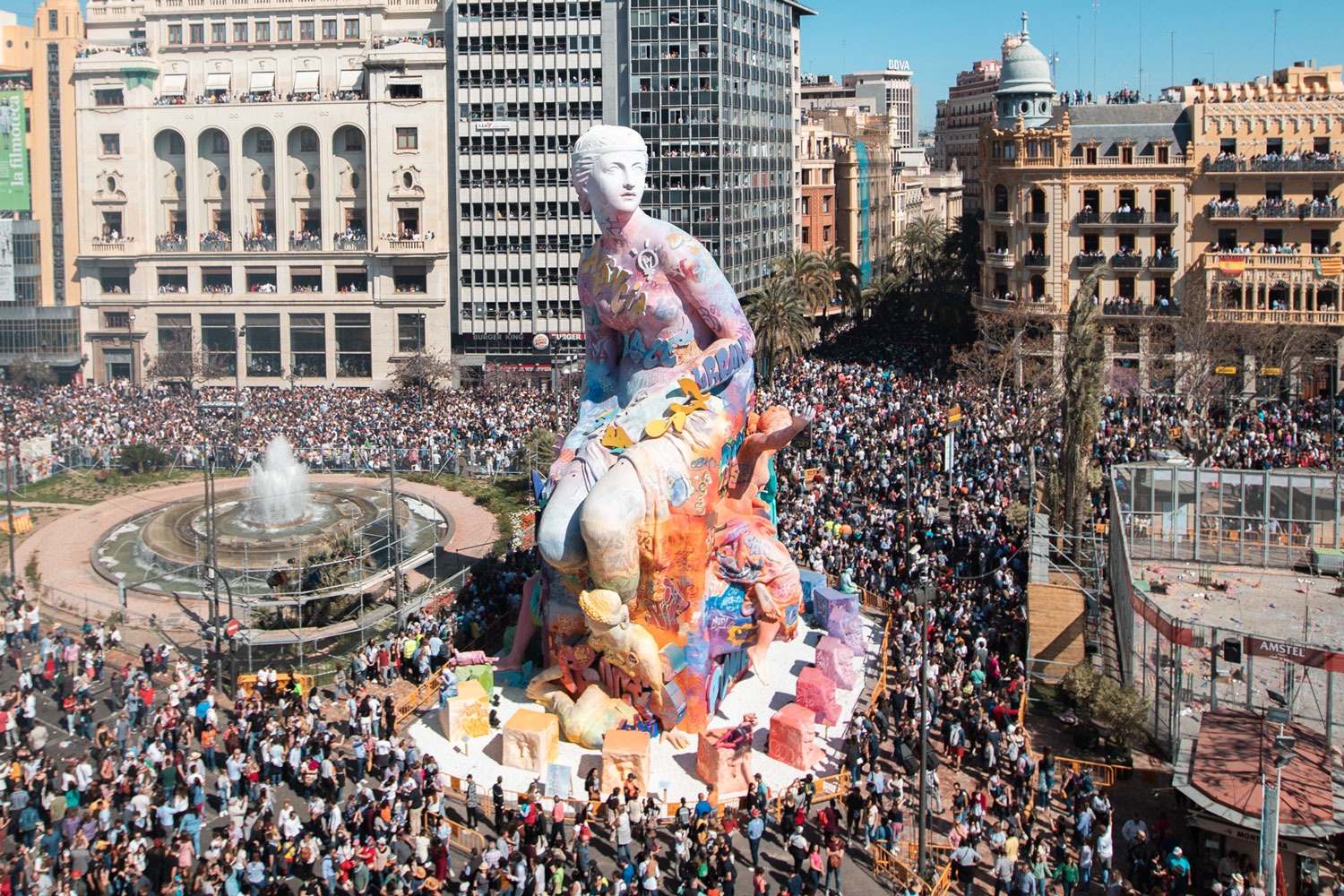
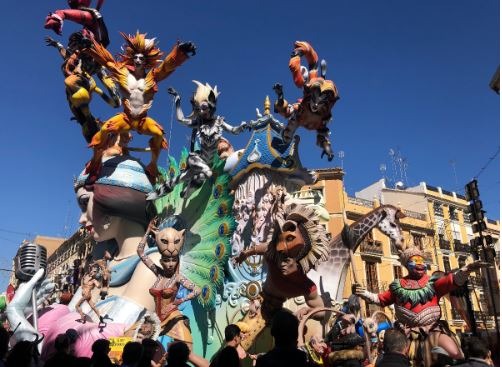
If some European traditions welcome spring with quiet symbols or small rituals, in Valencia, Spain, the arrival of a new season is anything but subtle. Every March, more exactly between 14 and 19 of March, the city becomes the stage for one of the most unusual festivals in Europe: Las Fallas.
What are las fallas?
They are literally some enormous and highly detailed sculptures made from wood, mâché, cardboard, and other materials. These artistic creations can reach several stories in height and often depict humorous or satirical scenes inspired by politics, celebrities, pop culture, or everyday life. For months leading up to the festival, teams of artists and local communities work together to design and build these intricate monuments, turning entire neighborhoods into creative workshops.
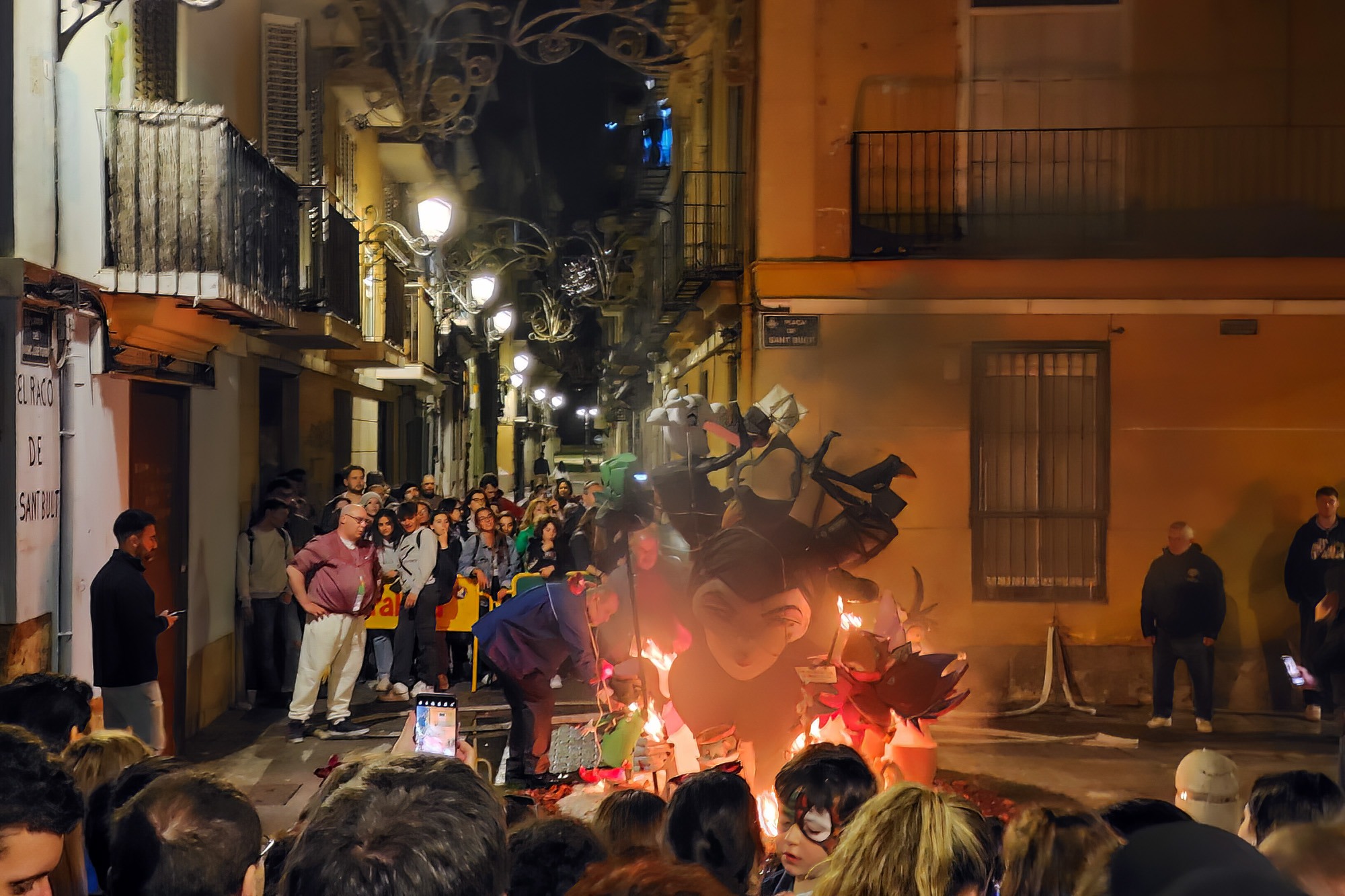
But what makes Las Fallas truly unique is that these impressive works of art are not meant to last. On the final night of the festival, known as La Cremà, nearly all of the sculptures are set on fire in a dramatic and carefully coordinated spectacle. The burning symbolizes renewal and transformation, a powerful metaphor for the arrival of spring.
Las Fallas is far more than just a night of bonfires. Throughout the festival, the city vibrates with constant activity. Daily fireworks shows called mascletàs fill the air with thunderous explosions, traditional costumes appear in colorful parades, and the smell of street food drifts through Valencia’s historic streets. Locals and visitors alike gather in plazas, parks, and cafés, turning the entire city into one enormous celebration.
Sweden: Welcoming spring with bonfires & singing
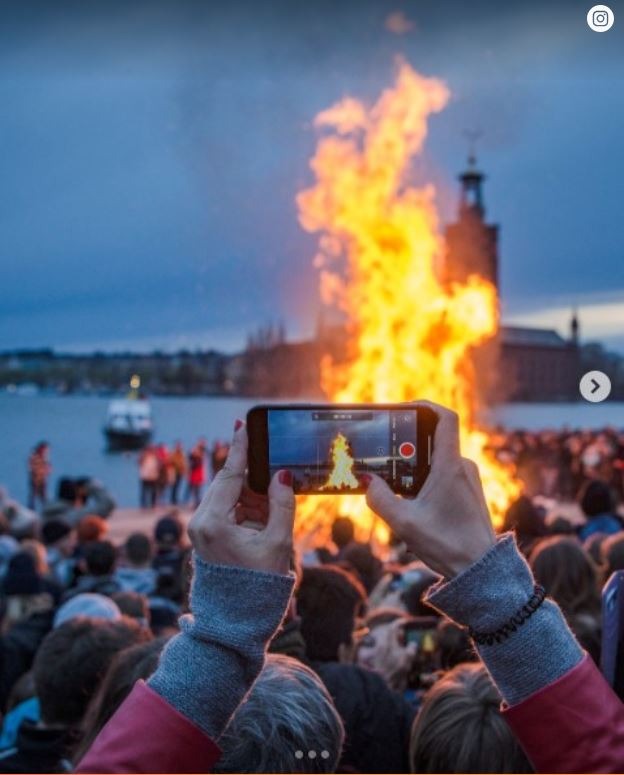
In Sweden, the arrival of spring is celebrated with one of the most atmospheric traditions in Northern Europe: Walpurgis Night, known locally as Valborg. It takes place on 30th of April, much later than how other countries celebrate spring. It marks the end of the long Scandinavian winter and the long-awaited return of warmer, brighter days.
At the heart of Valborg are the large bonfires lit across the country. In cities, towns, and even small villages, people gather outdoors as night falls to watch the flames rise into the sky. Historically, these fires were believed to drive away evil spirits and protect communities, but today they symbolize something much simpler and more universal: saying goodbye to winter.
Unlike more family-centered holidays, Valborg is a public celebration, basically organized by local communities themselves, to bring people together. Maybe the bonfire was the “main reason” of the gathering, but what make people stay is the social, sense of belonging part.
Another interesting and funny thing that happens in Sweden in the name of spring arrival is the organizing of day-long festivities in the university cities such as Uppsala and Lund. Students wear their traditional white caps, gather in large crowds and combine music, outdoor events, and celebrations marking the end of the academic year.
Even today, Walpurgis Night is a very powerful symbol of seasonal change in Sweden. After months of cold and darkness, spring has finally arrived and how else to celebrate it if not together!
Why should we care about these spring traditions?
Well, because they bring communities back together. There’s something genuinely nice about the fact that people still hold on to these spring traditions in Europe. In different ways, in different places, they all do the same thing: they bring people closer, mark a new beginning, and make spring feel like more than just a change in the weather.
And, at the end of the day, what is more important than
having a community you can celebrate with?
having a community you can celebrate with?